The Volkswagen Virtus GT has quietly become one of the most talked-about sedans among corporate professionals and salaried car buyers in India. With its sporty GT badge, premium German engineering, and strong road presence, many office-goers are seriously considering it as their daily commute car. However, one question keeps coming up repeatedly in corporate discussions and online forums – can the Volkswagen Virtus GT really deliver close to 29 km per liter, and what is the actual monthly fuel expense for office use
This article breaks down the real mileage truth, monthly fuel burn reality, office commute suitability, and whether Virtus GT actually makes sense for corporate workers in the long run.
Why Corporate Professionals Are Eyeing Volkswagen Virtus GT
Corporate buyers today want more than just a car that moves from point A to point B. Their expectations include comfort, safety, premium feel, brand value, performance, and controlled running costs.
Volkswagen Virtus GT checks many of these boxes.
It offers
• Premium European build quality
• Sporty yet professional design
• Turbo petrol performance
• Strong safety credentials
• Comfort for long daily commutes
For professionals working in IT, finance, management, sales, and consulting roles, the Virtus GT fits perfectly as a weekday office car and a weekend highway cruiser.
Understanding the 29 Km/L Mileage Claim – Reality Explained
One of the most viral claims associated with the Virtus GT is 29 km per liter mileage. This has created curiosity but also confusion.
The Truth Behind the Mileage Figure
Volkswagen Virtus GT is available with turbo petrol engines, not diesel. In real terms
• Official ARAI certified mileage is around 18 to 20 km per liter depending on variant and gearbox
• The 29 km per liter figure is not a regular city mileage number
• Such high mileage is only possible in very specific highway conditions, light foot driving, constant speed, eco mode, and minimal load
Realistic Mileage You Should Expect
For corporate office usage
• City traffic mileage – 11 to 14 km per liter
• Mixed city and highway – 14 to 17 km per liter
• Calm highway driving – 18 to 20 km per liter
So while 29 km per liter sounds attractive, corporate buyers should plan their expenses based on realistic numbers, not marketing or social media exaggeration.
Monthly Fuel Burn Reality for Corporate Office Commute
Let us calculate the actual monthly fuel expense, which matters most to salaried professionals.
Average Office Commute Assumption
• Daily office travel – 40 km
• Working days – 22 per month
• Total monthly distance – 880 km
Fuel Consumption Calculation
Assuming average real-world mileage of 15 km per liter
• Total petrol required – approx 59 liters per month
• Average petrol price – ₹105 per liter
Monthly Fuel Cost
• Approx monthly fuel expense – ₹6,000 to ₹6,300
If your commute is longer or traffic is heavier, the number may go up slightly. Still, for a turbo petrol premium sedan, this remains within acceptable limits for most corporate professionals.
Volkswagen Virtus GT Driving Experience for Office Goers
The Virtus GT is not just about looks and mileage. For corporate workers spending hours daily on the road, driving comfort and stress reduction are equally important.
What Makes It Office Friendly
• Light steering in city traffic
• Smooth DSG automatic option
• Comfortable seats with good lumbar support
• Excellent suspension balance for Indian roads
• Quiet cabin at cruising speeds
Even after a long working day, the Virtus GT does not feel tiring to drive back home.
Performance Advantage That Corporate Buyers Appreciate
Corporate professionals often want a car that feels confident during highway trips, client meetings, or business travel.
Virtus GT delivers
• Turbocharged acceleration for quick overtakes
• Stable high-speed cruising
• Strong braking confidence
• European driving feel not found in many rivals
This performance advantage makes it stand out compared to regular mileage-focused sedans.
Maintenance and Service Cost Reality
A common fear among corporate buyers is high German car maintenance.
In reality
• Annual service cost is moderate
• Volkswagen service packages reduce surprise expenses
• Spare parts availability has improved significantly
• Long service intervals reduce workshop visits
For a salaried buyer with stable income, the ownership cost is manageable and predictable.
Is Volkswagen Virtus GT a Practical Choice for Corporate Workers
Yes, if your priorities include
• Premium image
• Strong safety
• Comfortable daily commute
• Occasional performance driving
• Acceptable fuel expenses
No, if your only goal is
• Maximum mileage above everything else
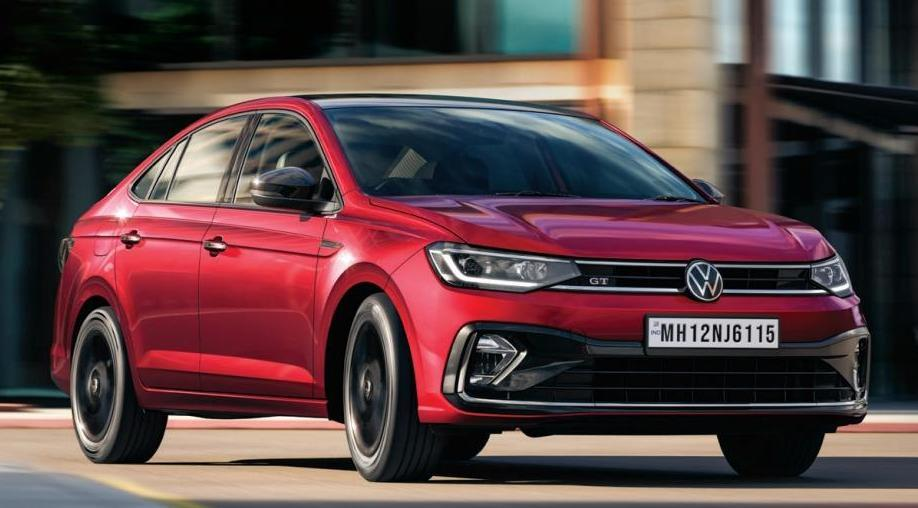
Virtus GT is not a mileage-first car, but it balances performance and efficiency well for professionals who want more than just numbers.
Who Should Buy Volkswagen Virtus GT
Best suited for
• IT professionals
• Corporate managers
• Sales and consulting executives
• Business professionals
• Buyers upgrading from hatchbacks
Not ideal for
• Ultra mileage-focused buyers
• Heavy daily taxi-like usage
• Budget-restricted first-time buyers
Frequently Asked Questions
Does Volkswagen Virtus GT really give 29 km per liter
No. That figure is achievable only in rare highway conditions. Real-world mileage is lower and more realistic.
What is the average city mileage for office commute
Around 11 to 14 km per liter depending on traffic and driving style.
Is Virtus GT expensive to run monthly
Monthly fuel cost is around ₹6,000 for average office usage, which is reasonable for its segment.
Is Virtus GT comfortable for long working professionals
Yes. Seats, ride quality, and cabin comfort are well suited for daily long drives.
Should corporate workers choose manual or automatic
Automatic is better for daily traffic. Manual is suitable for performance-oriented drivers.
Final Verdict – Mileage Myth vs Corporate Reality
The Volkswagen Virtus GT should be seen as a premium performance sedan with respectable efficiency, not a miracle mileage car. The 29 km per liter claim creates curiosity, but corporate buyers must focus on realistic fuel burn numbers, comfort, safety, and long-term satisfaction.
